Training on Bad Sleep: What the Data Says About Strength
One bad night rarely moves your one-rep max. Chronic short sleep is another story — here's what the evidence says about strength, power and recovery.
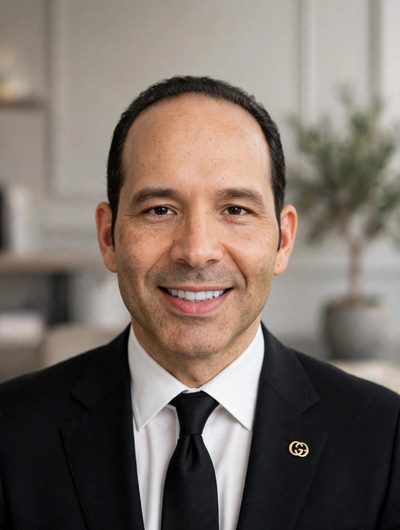 Renan Filho · Founder & Tech Builder · Atualizado em 12/09/2026 · VitalStack
A single night of poor sleep rarely lowers maximal strength — one-rep-max performance is largely preserved in controlled trials. What degrades is everything around it: repeated-effort output, time to exhaustion, perceived exertion and, with chronic short sleep, testosterone, lean-mass retention and injury risk. Train, but trim intensity and volume, and treat sleep debt as a training variable, not noise.
Roughly one in three American adults sleeps less than seven hours a night, according to the CDC — and a large share of them lift weights. The practical question is not whether you can train tired. You can. It is what short sleep actually does to strength, and where the evidence draws the line between a bad night and a bad habit.
What the research actually shows
Start with the surprise: maximal strength is remarkably resistant to acute sleep loss. In a 2007 trial in the Journal of Strength and Conditioning Research, Blumert and colleagues kept resistance-trained men awake for 24 hours and found essentially no change in one-rep-max bench press or leg press. What dropped was subjective vigor — the lifters felt worse even though the bar moved the same.
A 2015 systematic review by Fullagar and colleagues in Sports Medicine reached a similar conclusion across studies: single, maximal efforts such as grip strength, one-rep lifts and short sprints are largely preserved after one night of total or partial sleep deprivation. The same review found consistent increases in ratings of perceived exertion — the identical workload simply feels heavier.
Where performance breaks is in sustained and repeated work. Time-to-exhaustion tests show double-digit declines after partial sleep restriction in several trials, and the 2018 systematic review by Knowles and colleagues found sleep loss consistently impaired submaximal, sustained performance, while extended sleep improved it. For lifters, that maps onto back-off sets, high-rep finishers and conditioning work — not the top single.
The chronic problem: hormones, muscle and injury
One night is a rounding error. A week is physiology. In a 2011 study in JAMA, Leproult and Van Cauter reported that one week of five-hour nights reduced daytime testosterone by 10–15% in healthy young men — a hormone directly relevant to strength adaptation and recovery.
Body composition shifts too. In a 2010 trial in Annals of Internal Medicine, Nedeltcheva and colleagues placed subjects in a calorie deficit with either 5.5 or 8.5 hours of sleep. The short-sleep group lost about 55% less fat and roughly 60% more lean mass. Same diet, different sleep, opposite tissue outcome.
Injury data point the same way. Milewski and colleagues followed adolescent athletes and found those sleeping fewer than eight hours carried about 1.7 times the injury risk of better-rested peers. Most of the day's growth hormone release is also concentrated in the first slow-wave sleep cycle — the window chronic short sleep truncates first.
There is upside data as well. In a 2011 Stanford study, college basketball players who extended sleep to roughly 10 hours improved sprint times and shooting accuracy, suggesting sleep is trainable in the performance direction, not merely a risk to manage.
Why this matters to you
Translated to the gym floor, the evidence supports a specific hierarchy of concern:
- Your top-end single probably survives a bad night; your working sets may not, because perceived exertion climbs and total volume load quietly falls.
- During a cut, short sleep changes what you lose — more muscle, less fat — even at identical calories.
- Chronic sleep below roughly six hours is linked to lower testosterone, higher injury rates and, in a 2015 trial by Prather and colleagues, more than four times the odds of developing cold symptoms after viral exposure.
- Skill work suffers: motor learning consolidates during sleep, so new technique drills practiced in a sleep-deprived state stick less well.
None of this means a missed session. It means the session should be re-priced.
The honest counterpoint
The objection is legitimate. Acute sleep-deprivation studies are small — often 10 to 15 subjects, mostly young men, in laboratory conditions — and several show no measurable drop in maximal strength. Real-world bad sleep, fragmented and variable, is not identical to controlled deprivation, and high motivation can mask genuine fatigue on test day.
That criticism is fair, and it is why the honest reading is not "sleep loss kills strength." The acute data say maximal strength is resilient. The chronic data — testosterone, lean-mass retention, injury incidence — come from longer trials and larger observational samples, and they point in one direction. In our editorial view, the accurate summary is: one bad night is a scheduling problem; a bad month is a training variable.
The motivational trap
There is a subtler failure mode worth naming. When perceived exertion rises but the one-rep max holds, lifters often conclude sleep does not matter — while quietly logging less total quality volume across the week. Volume at adequate effort is the primary driver of strength progress, so the cost shows up months later, not the morning after.
How to train on short sleep
- Keep the session, cut the ego: reduce load 5–10% or cap effort around RPE 7–8 after a bad night.
- Protect technique and moderate volume; skip grinding max attempts and high-risk failure sets.
- A 20–90 minute nap before training can partially restore alertness and power output in studies of nap supplementation.
- Caffeine restores subjective alertness; it does not repair motor learning or overnight recovery.
- If you are dieting, defend sleep before you defend another 100 calories.
- If you average under six hours most nights, fix that first — it is a bigger lever than any set or rep scheme.
The bottom line
The data does not support skipping training after one rough night, and it does not support treating chronic short sleep as neutral. Strength is the last thing to fall and the first thing lifters check — which is exactly why the numbers above matter more than how the bar feels on any given day.
FAQ
Should I lift weights after a bad night's sleep?
Yes, in most cases — controlled trials show one-rep-max strength is largely preserved after one night of poor sleep. Cut load or volume by roughly 10% and avoid grinding max attempts.
Does lack of sleep stop muscle growth?
Human trials show chronic short sleep shifts weight loss toward muscle and lowers testosterone by 10–15% after a week of five-hour nights. Direct hypertrophy data are limited, but every measured signal favors sleeping more.
How many hours of sleep do you need before heavy training?
The National Sleep Foundation recommends 7–9 hours for adults. If you fall short, a 20–90 minute nap before training can partially restore alertness and power output.
Fontes / Sources
Especialista em Tecnologia e IA com 12 anos de experiência criando e gerindo empresas. Criador de fintechs e plataformas digitais que unem tecnologia, dados e inteligência artificial para gerar valor real.